HomeMetalfabrikBrass Finish Guide: Types, Uses and How It’s Made
Brass Finish Guide: Types, Uses and How It’s Made
A brass finish can change the feel of a space. For example, its warm tones sit comfortably alongside stone, timber and glass, bringing character to everything from a door handle to a full feature wall.
However, whether you prefer antique brass, brushed brass or blackened brass, choosing the right finish starts with understanding its appearance, application and care. With this in mind, here’s what to consider when selecting brass and decorative metal finishes for your project.
Who Should Consider Brass Finishes?
Brass is a versatile choice for architects, interior designers, homeowners and hospitality or retail brands. In particular, it works well across villas, hotels, restaurants, offices and boutiques where the design calls for warmth and considered detailing. As such, it can complement a wide range of interior styles.
For example, you can use brass as a focal point on a reception counter or entrance door. Alternatively, introduce it through smaller elements like cabinet pulls, shelving and trims. In either case, the finish you choose helps determine whether the result feels classic, contemporary or deliberately aged. Therefore, consider the overall style of the space when making your selection.
Why Choose Brass?
Brass is an alloy made primarily from copper and zinc. Thanks to its versatility, it can be shaped and finished in different ways. As a result, it is well suited to bespoke architectural metalwork. For example, polishing, brushing and chemical colouring create distinctly different tones and textures, allowing the surface to complement a range of interior styles.
In addition, brass appeals for the way it ages. Over time, uncoated brass develops a patina, while a suitable protective coating helps preserve the selected appearance. Ultimately, the right choice depends on whether you welcome these natural changes or prefer a more consistent finish.
Where Can You Use Brass?
Brass finishes suit a wide range of interior applications. However, bathrooms, outdoor installations and coastal settings require closer consideration. In these environments, exposure to water, salt and frequent handling can affect the appearance and maintenance requirements. Therefore, confirm the suitability of the base material and coating before specifying brass.
Similarly, for floors, food-contact worktops or constantly wet surfaces, first check that the complete finish system is suitable. Even with a protective coating, some applications may require a different material or finish. For this reason, discuss the intended use with your fabricator before making a final selection.
Doors and joinery
Handles, cabinet fronts, frames and decorative trims for households.
Walls and displays
Feature panels, signage and retail display details.
Furniture & Fittings
Table bases, shelving and accent pieces.
Hospitality interiors
Counter fronts, reception desks and decorative screens.
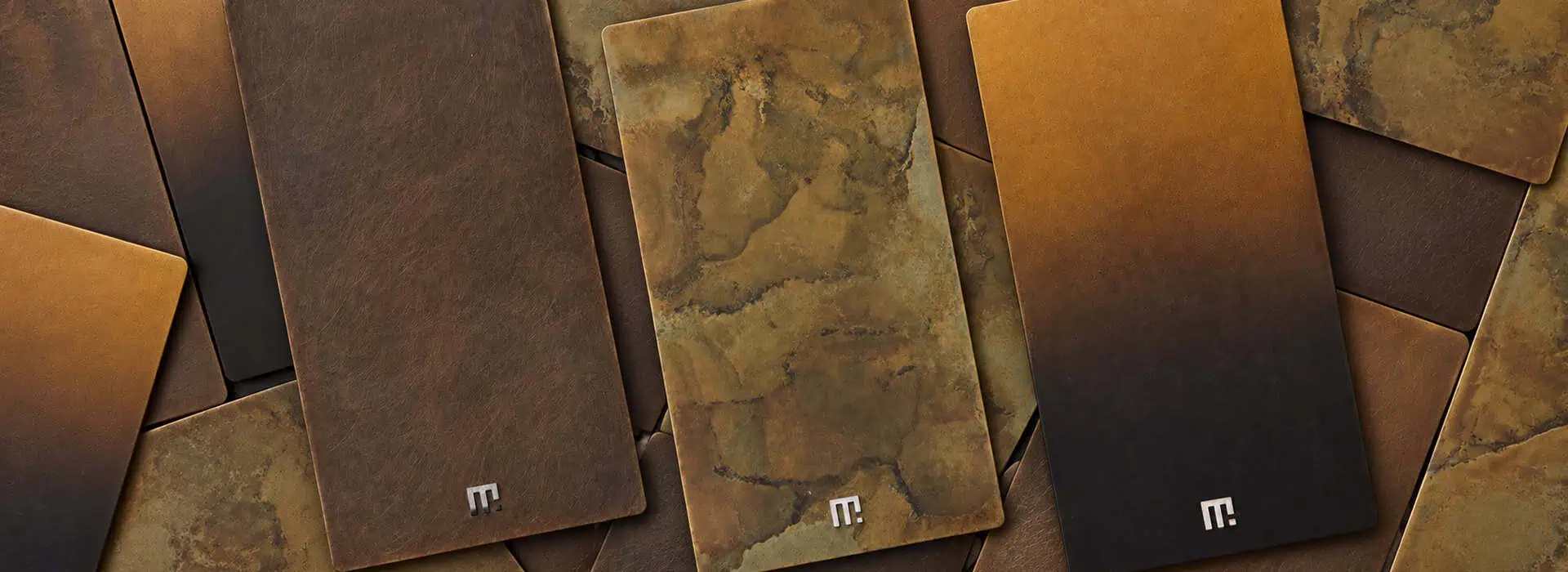
Antique brass has an aged appearance, combining warm brass tones with darker areas for added depth. As a result, it pairs naturally with timber and textured stone. In addition, softer lighting highlights its tonal variations, creating a warm and inviting atmosphere.
Brushed brass features a fine directional grain and a softer reflection than polished brass. As a result, it brings warmth to contemporary interiors while keeping the overall appearance understated. In addition, its subtle texture pairs well with stone, timber and glass, making it easy to coordinate with other materials.
Ideal for: Joinery details, shelving, counter fronts and modern furniture.
Blackened Brass
Blackened brass offers a darker, more dramatic surface, with warm undertones that may remain visible depending on the treatment. As a result, it adds depth to a space. In particular, it creates a striking contrast against pale stone and lighter interiors, while also pairing naturally with timber and other warm materials.
Ideal for: Feature panels, retail displays, door details and hospitality spaces.
How Are Brass Finishes Made?
The exact method varies with the base material and desired result, but the process typically involves the following stages:
Preparation: Cleaning and refining the surface.
Mechanical finishing: Brushing or polishing to establish the texture.
Highlighting: Selectively rubbing or polishing areas to bring out lighter tones.
Protection: Applying a suitable lacquer, wax or other specified coating.
Patination: Applying controlled chemical treatments where an aged or darkened appearance is required.
However, these steps vary between finish systems. For example, brushed brass does not necessarily require patination.
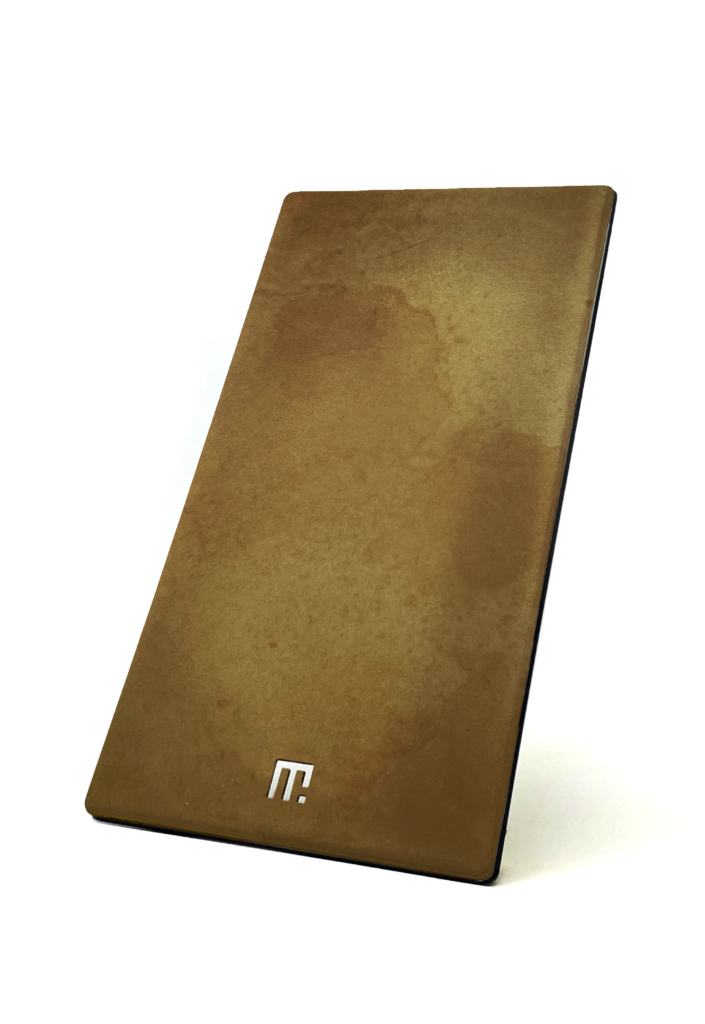
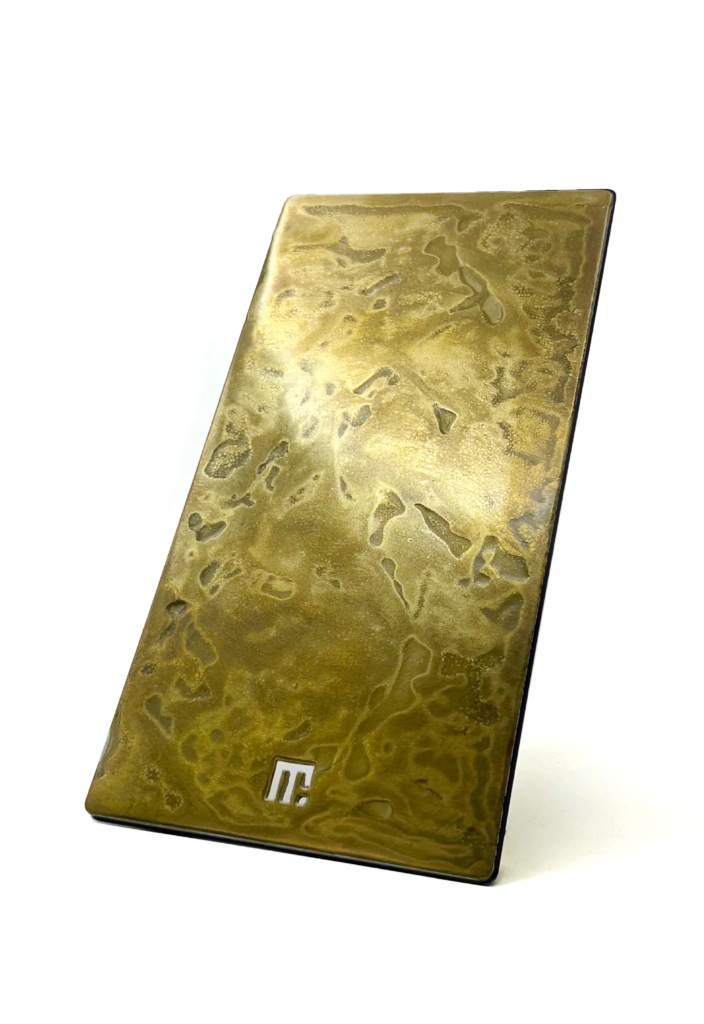
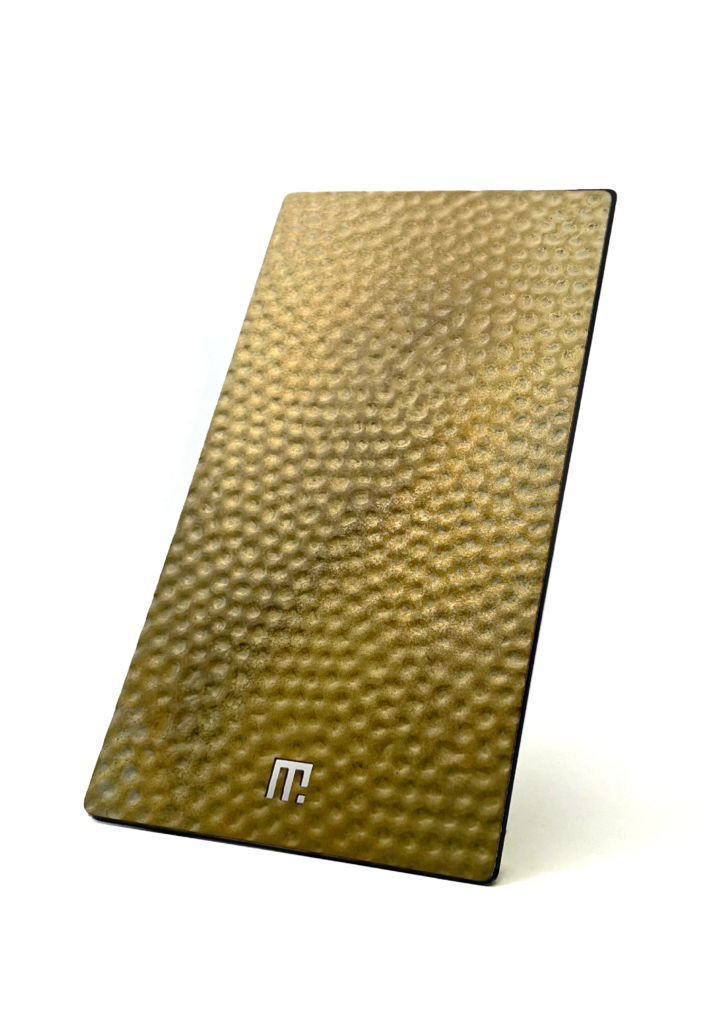
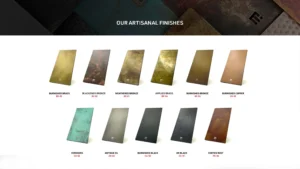
Metal Fabrik’s collection includes Brass Patina, Burnished Brass, Blackened Brass, Applied Brass and Hammered Brass. In addition, it offers bronze, copper and other decorative metal finishes. By combining patina work with specialist coatings, the collection provides a range of tones and textures to suit different spaces.
However, patina and liquid metal finishes can vary between samples. As a result, each surface has its own individual character. To help preserve the finish and lacquer over time, avoid ammonia, solvent and abrasive cleaners. To find the right finish for your project, start by exploring the Metal Fabrik finishes collection. Then, compare the available surfaces and discuss a suitable sample with our team.