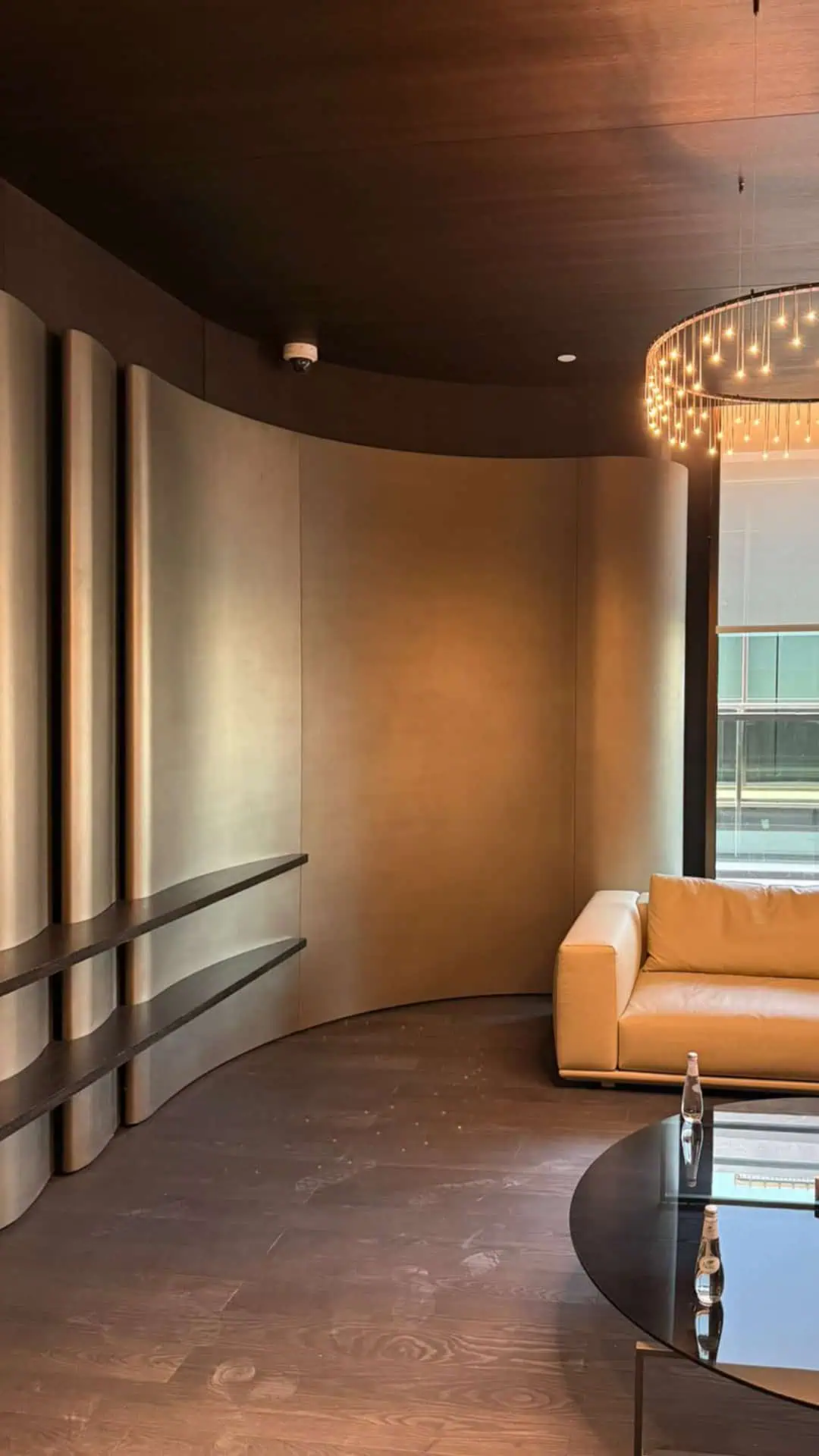
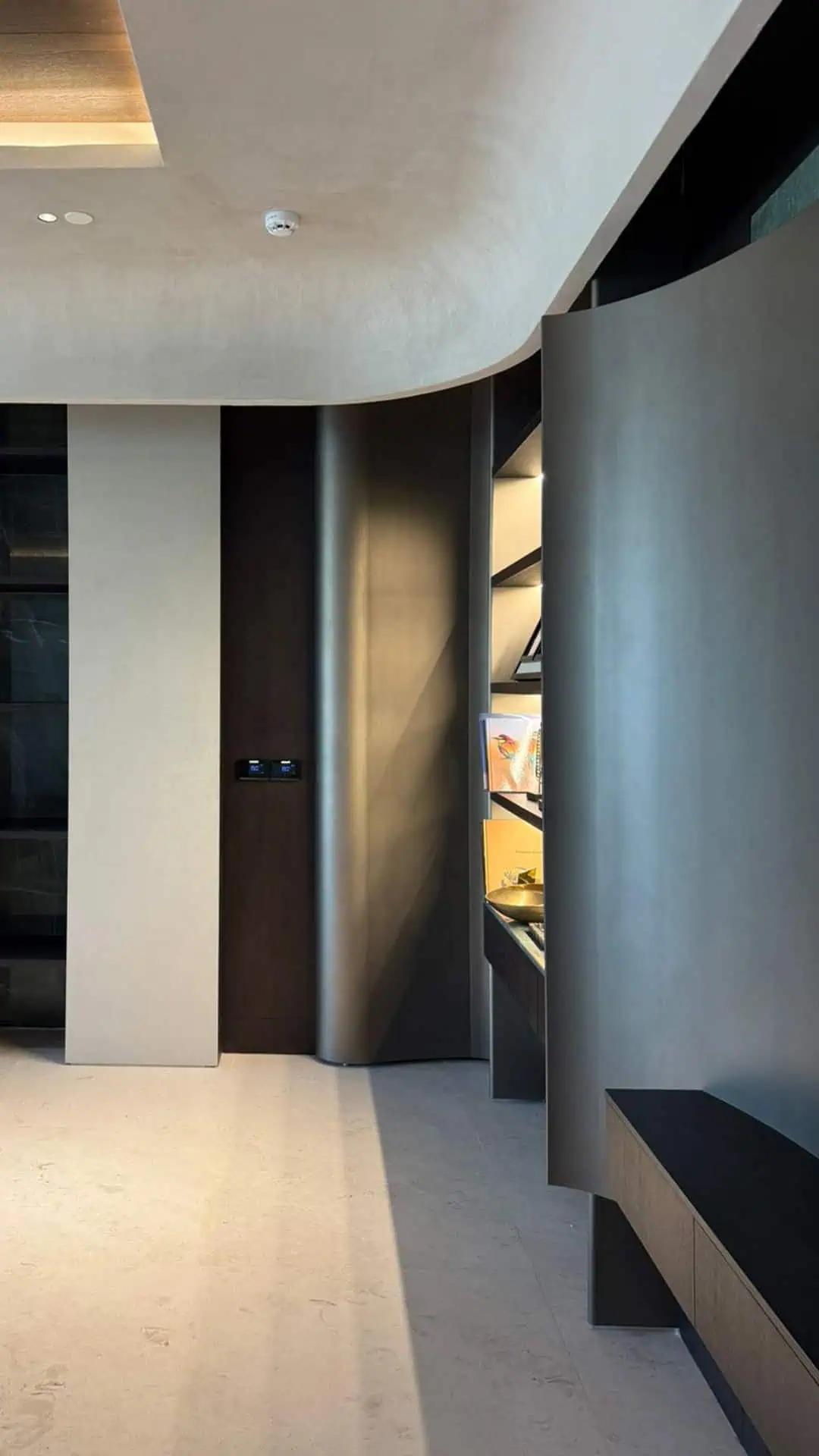
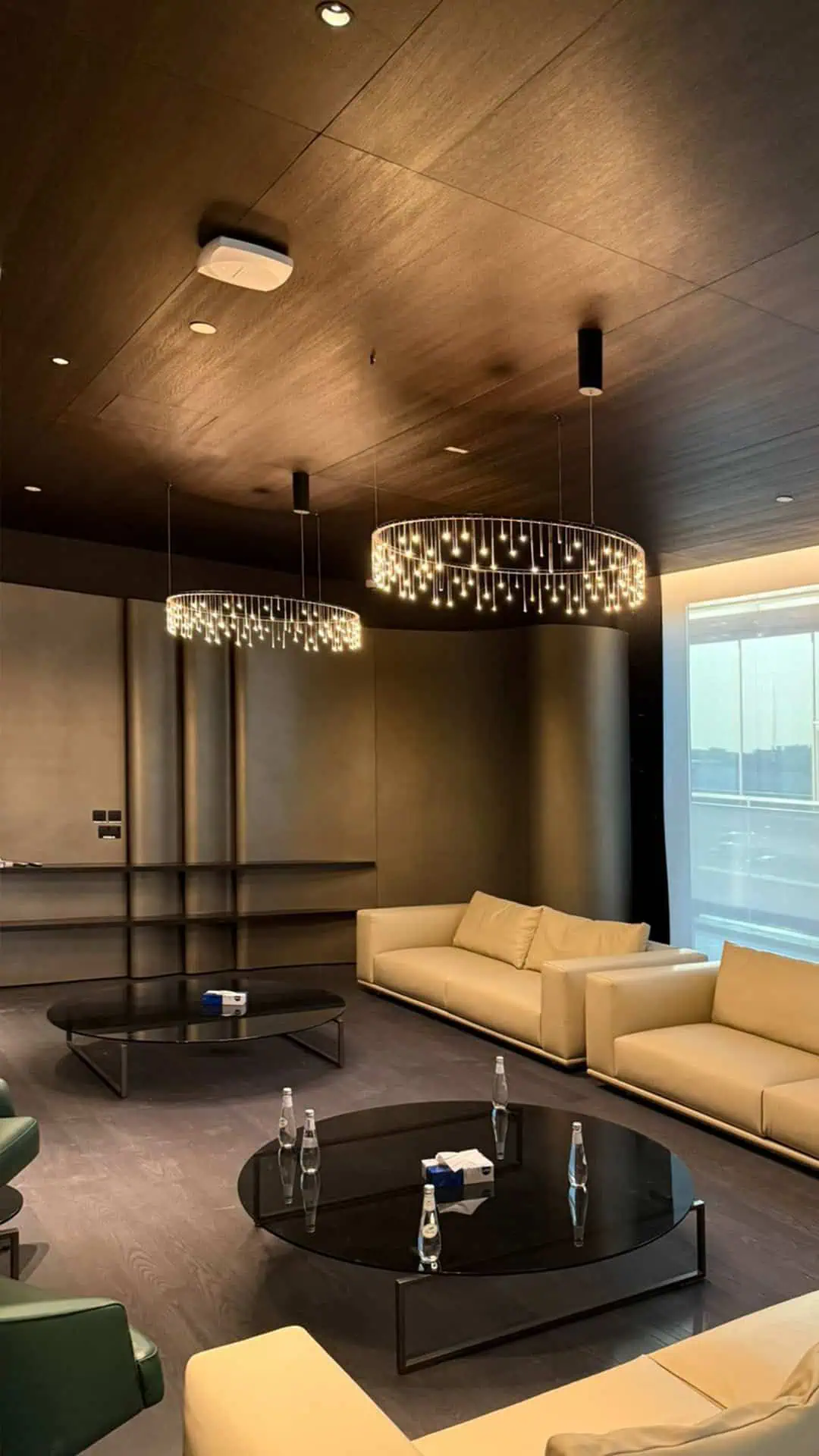
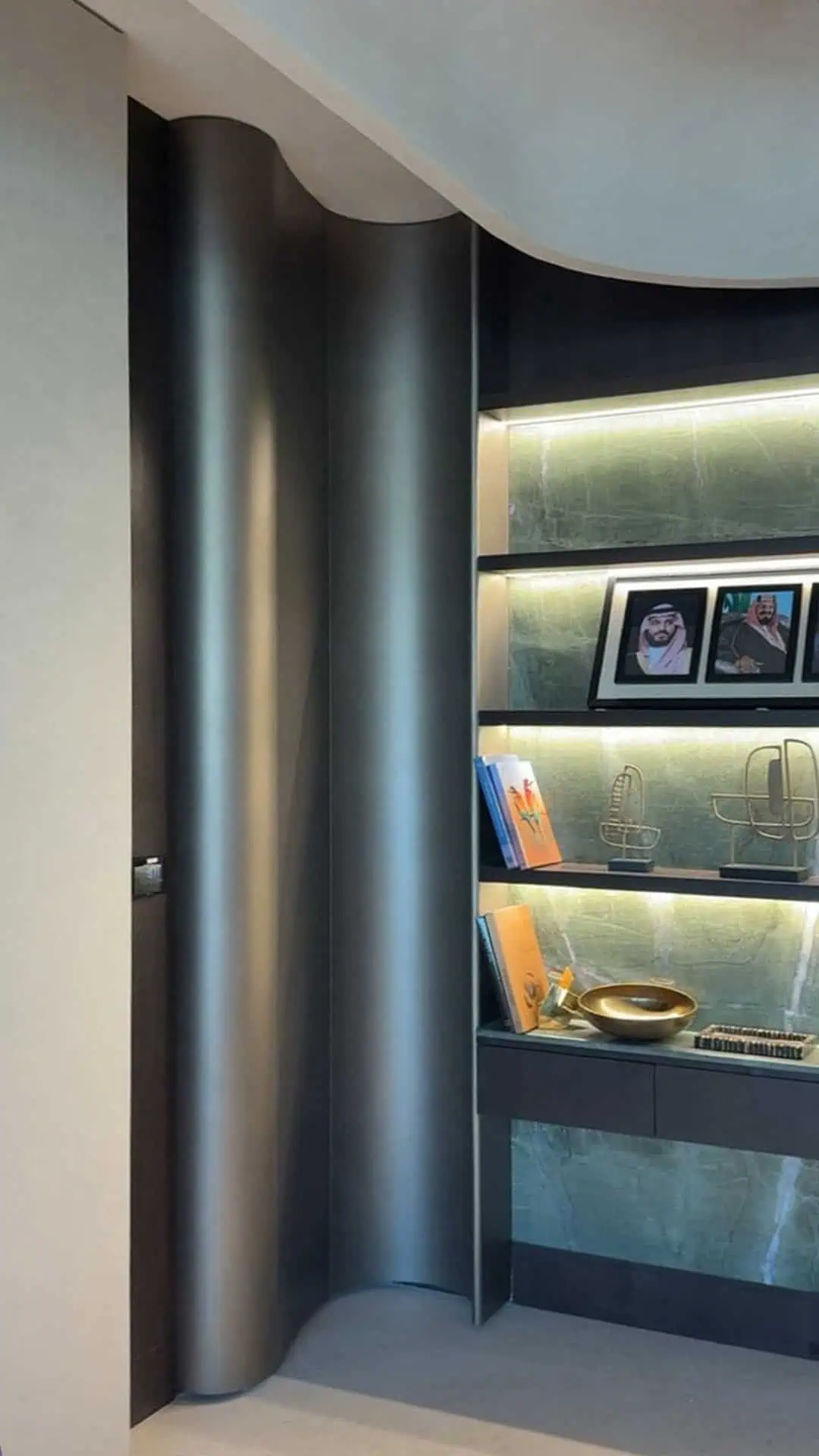
8 Popular Types of Metal Finishes
Metal finishing is both a design decision and a performance specification. The correct system can control colour, texture, corrosion resistance, cleanability and how a surface changes with age.

What does a metal finish actually do?
A metal finish modifies the surface without changing the main structural form. Some finishes add a protective layer, while others mechanically alter the surface or create a controlled chemical reaction.
Performance depends on more than the visible colour. Fabricators must consider the base metal, surface preparation, weld clean-up, coating thickness, edge treatment, sealing and exposure conditions. A beautiful finish applied to poorly prepared metal will rarely perform well.
A finish can control
- Colour and reflectivity
- Texture and touch
- Corrosion resistance
- UV and weather performance
- Cleaning and maintenance
- Natural ageing and variation
Popular types of metal finishes
Each process creates a different balance of appearance, protection and maintenance. The following technical overview helps designers and clients compare the most widely specified options.
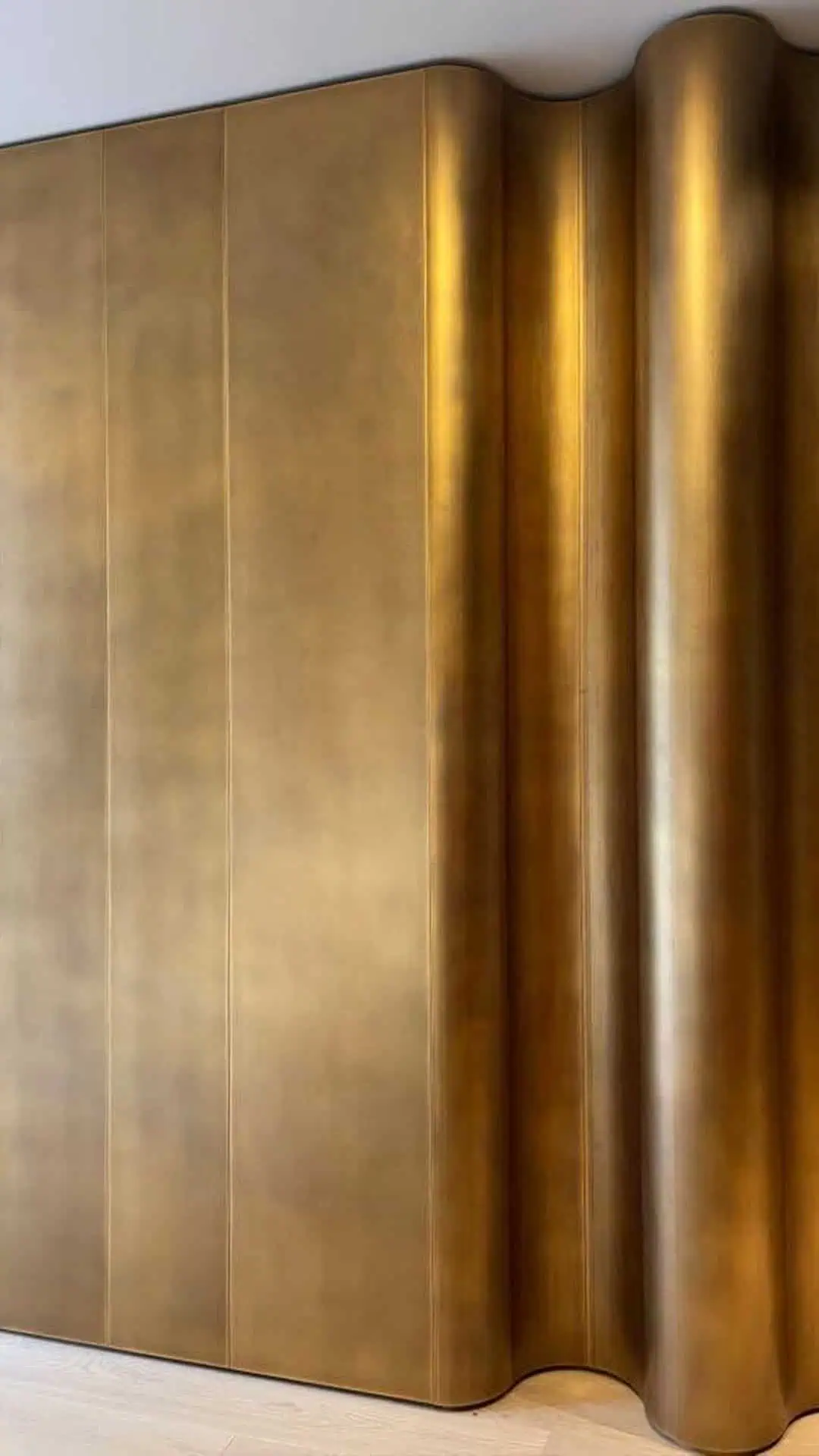
01 · Patina finish
Patination uses chemical, natural or heat-assisted oxidation to react with copper, brass, bronze, mild steel or weathering steel. The surface is normally neutralised, rinsed and dried before a wax or clear sealer controls further change.
Patina delivers depth and tonal variation rather than perfect uniformity. Designers should approve physical samples because alloy, preparation, humidity and application technique all influence the final result. See our guide to patina finishes in the UAE.
02 · Powder-coated finish
Powder coating applies charged resin particles electrostatically before curing them in an oven. Polyester systems are widely used for architectural exteriors, while epoxy or hybrid powders suit selected interior applications.
Degreasing, abrasion and the correct conversion treatment matter as much as the powder itself. Cure temperature, film thickness, edge coverage and UV rating must match the specification. Exterior-grade powder offers consistent colour, but local repairs may remain visible.
03 · Brushed finish
Brushing uses controlled abrasives to create fine, parallel grain lines. The selected grit, pressure and direction determine how coarse or refined the surface appears. A No. 4 brushed finish is common on architectural stainless steel.
Consistent grain direction is essential across adjoining panels. Stainless steel can remain uncoated, while reactive metals may need wax or lacquer. Light marks can often be blended if the same abrasive grade and direction are used.
04 · Polished or mirror finish
Polishing moves through progressively finer abrasives, followed by buffing compounds, to reduce surface roughness and increase reflection. On stainless steel, a No. 8 finish is commonly associated with a highly reflective mirror surface.
Mirror polishing highlights ripples, weld distortion and fabrication defects, so the substrate must be prepared carefully. It suits luxury interiors and statement details but shows fingerprints, cleaning streaks and scratches more readily than satin finishes.
05 · Hammered finish
A hammered finish forms repeated dimples through hand tools, mechanical processes or textured dies. The resulting relief catches light and creates a strong handcrafted character on copper, brass, aluminium or mild steel.
Texture can disguise minor handling marks, but deep profiles may hold dust or residue. The metal may require patination, polishing or clear sealing after texturing. The sequence must be planned before fabrication to avoid flattening the pattern around joints and edges.
06 · Electroplated finish
Electroplating passes electrical current through an electrolytic bath to deposit a thin layer of metal onto a conductive component. Nickel, chrome, copper and zinc are common deposited metals, each serving a different decorative or protective role.
Surface defects remain visible through thin plating, so polishing and cleaning are critical. Component geometry, bath chemistry and specified thickness affect uniformity. Electroplating is generally better suited to fittings and detailed components than large fabricated wall panels.
07 · Anodized finish
Anodizing is an electrochemical process that grows a controlled oxide layer from the aluminium itself. Unlike paint, this layer is integral to the surface. It can remain clear or receive colour before the pores are sealed.
Coating thickness should suit the environment and specification. Anodized aluminium offers good corrosion and UV performance, but colour can vary between batches and alloys. Damage is difficult to repair invisibly, so handling and installation require care.
08 · Galvanized finish
Hot-dip galvanizing immerses fabricated steel in molten zinc, typically at around 450°C. The bonded zinc layers provide barrier protection and sacrificially protect exposed steel at small scratches.
Hollow sections require correctly positioned vent and drain holes. Heat can also distort thin or asymmetrical fabrications, so galvanizing must be considered during engineering. A duplex system combines galvanizing with powder coating for additional protection and colour.
How to specify the right metal finish
Choose the finish alongside the fabrication method—not after the metalwork is complete. Early coordination helps avoid visible welds, inconsistent grain, weak edge coverage and incompatible sealers.
Base metal
Confirm compatibility with aluminium, stainless steel, brass, copper or mild steel.
Exposure
Assess UV, humidity, salt air, cleaning chemicals, heat and direct water contact.
Appearance
Decide whether the project needs uniform colour or natural handcrafted variation.
Maintenance
Consider touch frequency, cleaning access, repairability and acceptable ageing.
Technical note for UAE projects
Exterior metalwork in the UAE may face intense UV, high surface temperatures, airborne dust, humidity and coastal salt. Specifications should address pretreatment, compatible fasteners, drainage, coating class, sealing and maintenance. For large areas, approve a representative mock-up rather than relying only on a small sample.
From sample to finished metalwork
Metal Fabrik coordinates design, engineering, fabrication and finishing so the surface works with the object—not as an afterthought. We develop standard and custom finishes for BLOK counters, KLAD wall cladding, KANVAS doors and bespoke architectural metalwork.
Our process can include sample development, substrate testing, fabrication trials, finish approval and production controls. Explore our metal fabrication capabilities and wall cladding projects, or speak with us about the right finish for your application.