

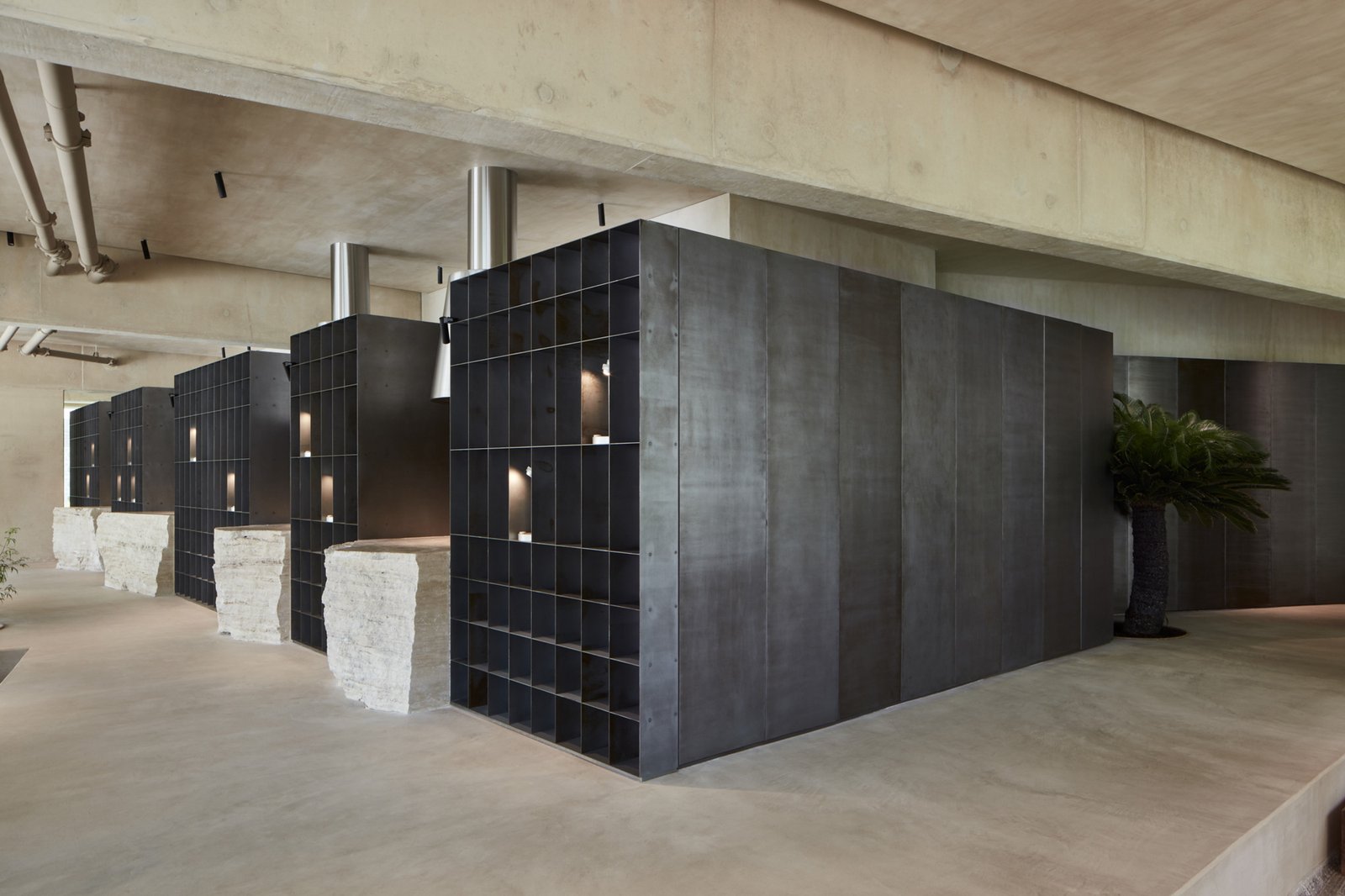
Metal Cladding: Transforming Buildings and Spaces
In architecture and construction, building materials play a pivotal role in shaping the aesthetic appeal, functionality, and longevity of structures. Metal cladding has gained increasing popularity in recent years. It delivers a myriad of benefits, including durability, sustainability, and design versatility. In this blog, we will explore the world of metal cladding, examining its uses, advantages, and innovative applications.
What is Metal Cladding?
Metal cladding, often referred to as architectural metal panel systems, involves the application of metal panels or sheets to the exterior or interior surfaces of a building. These panels can be made from various metals, including aluminum, steel, copper, zinc, and titanium. Metal cladding serves both functional and aesthetic purposes, making it a versatile choice for architects and builders.
Advantages of Metal Cladding
Durability and Longevity:
Metal cladding is known for its exceptional durability and resistance to weathering. It can withstand harsh environmental conditions, including heavy rain, UV radiation, and temperature fluctuations, without deteriorating. This longevity reduces maintenance costs over the life of a building.
Sustainability:
Many metal cladding materials are recyclable, making them an eco-friendly choice. Additionally, the reflective properties of metal can reduce energy consumption by improving a building’s insulation and reducing the heat island effect in urban areas.
Design Versatility:
Metal cladding offers architects and designers a wide range of options in terms of colors, finishes, and textures. Whether you’re aiming for a sleek, modern look or a more traditional aesthetic, metal cladding can be customized to fit your design vision.
Low Maintenance:
Metal cladding requires minimal maintenance, mainly consisting of periodic cleaning. Unlike other materials like wood or concrete, it doesn’t require painting or staining to maintain its appearance.
Applications of Metal Cladding
Facades:
One of the most common applications of metal cladding is on building facades. The ability to create intricate designs, combined with the durability of metal, makes it an ideal choice for enhancing a building’s exterior appearance.
Roofing:
Metal cladding can also be used for roofing, providing protection from the elements while offering design flexibility. Metal roofs are known for their longevity and energy efficiency.
Interiors:
Metal cladding isn’t limited to exterior applications. It can be used indoors to create stunning accent walls, ceilings, and partitions, adding a touch of sophistication to interior spaces.
Signage and Branding:
Businesses often use metal cladding for signage and branding elements. Its durability ensures that the company’s image remains intact for years to come.
Innovative Metal Cladding Trends
Sustainable Metal Cladding:
As sustainability becomes a focal point in construction, architects are exploring eco-friendly metal cladding options, such as those made from recycled materials or designed to improve energy efficiency.
Dynamic Facades:
Some metal cladding systems incorporate dynamic features, allowing building facades to change appearance based on factors like temperature or user input. This innovation adds a unique, interactive element to architectural design.
Biophilic Design:
Metal cladding can also be used to create designs that incorporate elements of nature, aligning with the biophilic design trend. These designs often incorporate organic textures and patterns, creating a harmonious connection between the built environment and nature.
Conclusion
Metal cladding has evolved beyond a functional building material; it now makes a bold design statement. Architects and builders choose it for its durability, sustainability, and design versatility when they want to create striking, long-lasting structures. Designers use metal cladding on exteriors, interiors, and in innovative, dynamic applications to push architectural boundaries while delivering both timeless elegance and cutting-edge innovation. If you want to elevate your building’s design, embrace the transformative power of metal cladding.
